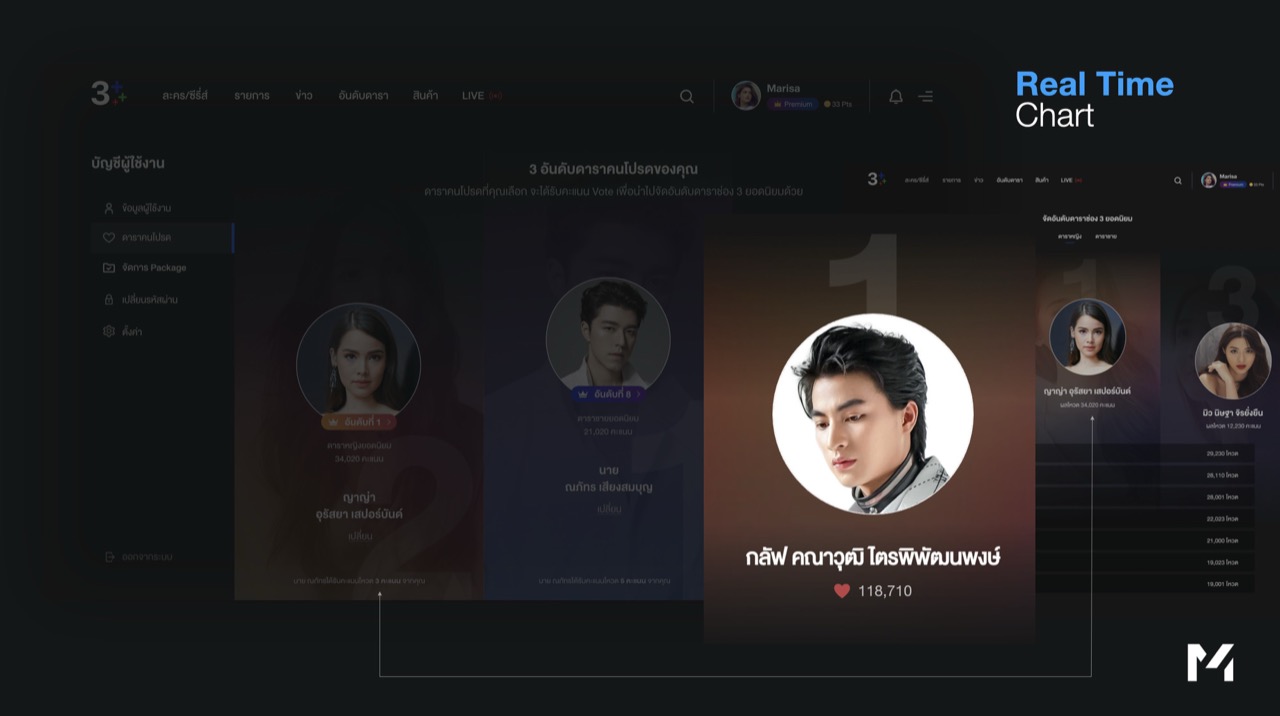
TechCut — Business / Product Strategy · CH3+ OTT Platform Project
Whenever anyone talks about building an OTT Platform, one question almost always comes up:
“Why not just make it like Netflix?”
It’s a reasonable question. Netflix is the global benchmark for streaming experience.
But for CH3+, copying Netflix wasn’t the right answer.
Because if the game is “who has the bigger content library” or “who can invest more in original content” — a local broadcaster loses to a global platform before the competition even starts.
The real question was never about making a streaming platform that looked like someone else’s. It was about answering:
What does CH3+ have that no global competitor can replicate — and how do you build a product around that?
Don’t Play a Game You’re Set Up to Lose
CH3 had clear strengths as a national broadcaster — dramas, programmes, news, artists, actors, and an audience that had been loyal to the channel for years.
But in the streaming world, those legacy strengths can’t simply be carried over as-is.
If CH3+ became just “Free TV online,” the platform would be another way to watch catch-up or live content. Useful — but not enough to create long-term differentiation.
What CH3+ had that global streaming platforms couldn’t match was the relationship between viewers, celebrities, programmes, and its own fan communities.
This became the foundation of the product thinking.
Not “which Netflix features can we replicate?” — but:
“How do we take the assets we already have and turn them into a digital engagement platform?”
From Content Platform to Fandom Platform
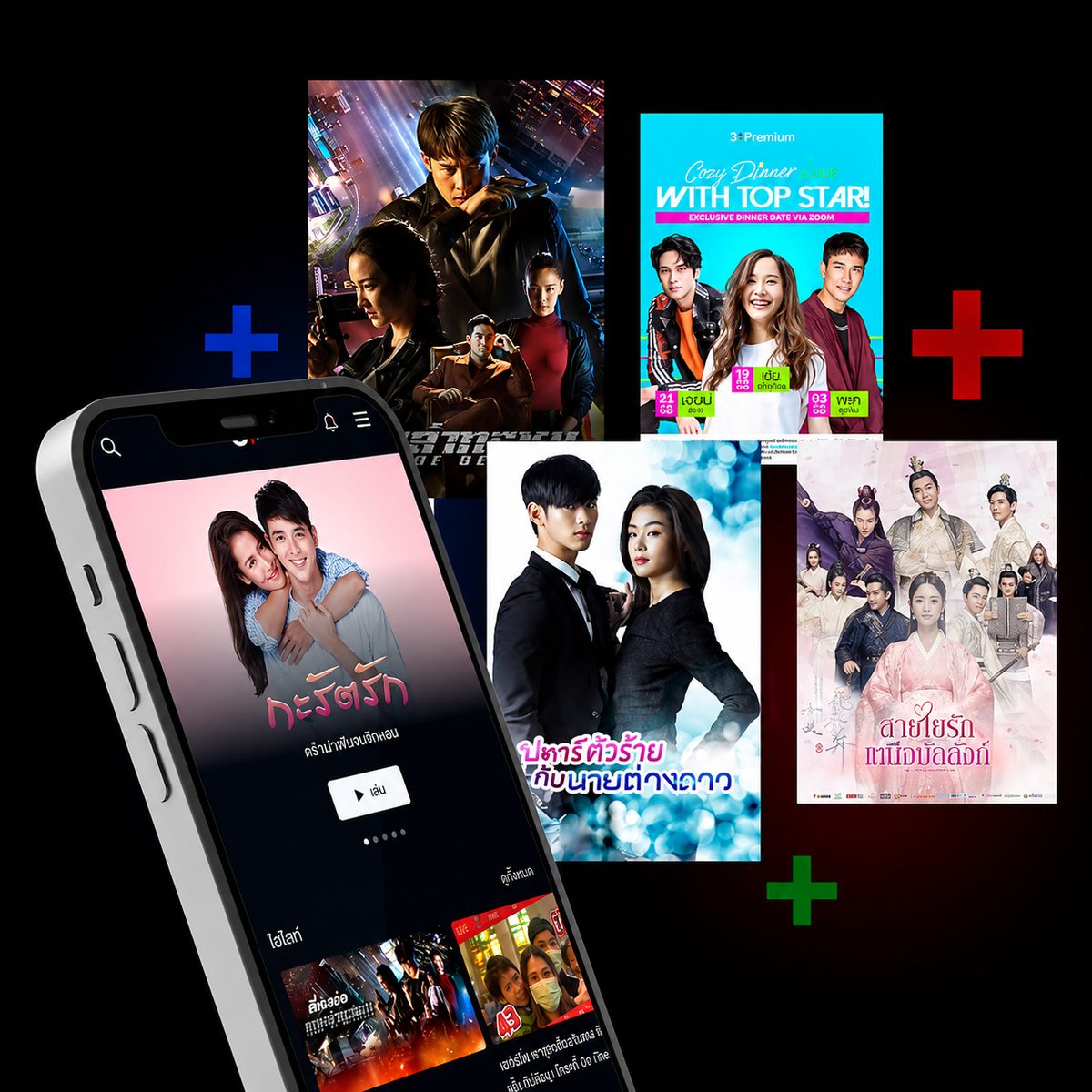
One of CH3+’s key product directions was refusing to see its audience as mere viewers. They were fans.
- A viewer comes to watch content, then leaves.
- A fan comes back because they feel connected to people, stories, and community.
That distinction matters enormously.
A platform competing purely on content gives users a reason to return only when a new episode drops, a new show launches, or a major event goes live.
A platform that builds a fandom layer gives users reasons to return even when there’s no new episode:
- Following a favourite actor or artist
- Accessing exclusive content unavailable anywhere else
- Joining campaigns and activities tied to shows and celebrities
- Participating in fan communities
- Receiving special benefits and experiences from the platform
From a business perspective, this isn’t just an added feature. It’s a fundamental shift in the platform’s role — from a “video channel” to a space for relationships between brand, content, artist, and audience.
Campaign Is a Product Mechanism, Not Just Marketing
In the previous TechCut article, we covered how Muze helped build the front-end player experience, BFF layer, and surrounding systems — login, campaign, payment, and user-facing flows.
From a business perspective, these are the core of product experience.
An OTT Platform’s critical moments don’t only happen when the video plays. They happen from the moment a user opens the app — pressing into a campaign, logging in, redeeming a benefit, subscribing to a package, making a payment, or joining an activity simultaneously with thousands of others.
Many platforms prepare their streaming infrastructure well, then stumble in the user journey before video ever plays:
- Login runs slow
- Campaign button doesn’t respond
- Payment flow breaks
- Home screen loads too slowly
- Front-end over-requests the API during peak traffic
For a platform where fandom and campaigns are core mechanisms, these failure points are even more critical.
Because a campaign isn’t just a banner ad — it’s the mechanism that brings users back to engage with the platform repeatedly.
Product Strategy Has to Translate Into Architecture
What made CH3+ interesting is that strategy and technology were inseparable.
If the business said the platform needed to support fandom, campaigns, exclusive content, payments, and multiple device types — then the system had to be architected to actually support those behaviours.
Not just “have the feature in the system” — but ask: on the day a large number of users arrive simultaneously, do all of these things still work?
That’s why BFF, front-end architecture, login flow, campaign flow, and payment flow all mattered.
Because good product strategy that can’t be translated into system architecture still can’t produce real business outcomes.
And equally — good technology that isn’t tied to a clear strategy might produce a system that works, but doesn’t create business differentiation.
The Key Lesson: Stop Asking What Competitors Are Doing
When a business is building a digital platform, the first question shouldn’t be:
“What features do our competitors have that we need to match?”
It should be:
“What is our unfair advantage, and how do we design a platform that amplifies it?”
For CH3+, the unfair advantage was the ecosystem of content, artists, audiences, and fandom.
So the right product strategy wasn’t to become a local version of Netflix — it was to become the platform that uses CH3’s own strengths to create maximum value in the digital world.
This lesson applies across industries:
- Retail doesn’t need to copy every feature of a marketplace
- Banks don’t need to replicate every fintech product
- Media companies don’t need to mirror global streaming platforms
- Enterprises don’t need to copy every aspect of off-the-shelf SaaS
What matters is knowing what your core advantage actually is — and using technology to make it clearer, faster, and more scalable.
What Muze Looks For Before Building
For Muze, building a digital platform doesn’t start with choosing a tech stack. It starts with understanding what the platform needs to win on:
- Does it need to win on speed?
- On experience?
- On data?
- On ecosystem?
- On engagement that’s genuinely hard for competitors to copy?
Once that answer is clear, technology gets designed around that objective.
CH3+ wasn’t just a technical challenge — “make video watchable.” It was a business challenge:
How do you take the relationship between viewers, content, and artists — and turn it into a digital platform that grows?
And that’s what a good Tech Partner does. Not just implement requirements — but help translate business strategy into product experience and a system that actually delivers.
Results That Reflect This Thinking
CH3+ grew from approximately 1 million users to over 12 million Monthly Active Users.
Peak concurrent viewership reached approximately 800,000 Concurrent Viewers.
These numbers didn’t come from technology alone. They didn’t come from content alone. They came from the combination of content strength, product strategy, user experience, and a platform architecture built to support real growth.
For Organisations Building a Digital Platform
If you’re building a new platform, the most important question might not be “how close can we get to the market leader?” It might be:
“How much can we build a platform that amplifies what makes our business unique?”
Because a good platform shouldn’t just be a system that works. It should be a tool that makes the business’s advantage clearer.
Muze helps organisations design and build Digital Platforms that connect Business Strategy, Product Experience, and Scalable Technology — to deliver business outcomes that actually grow.