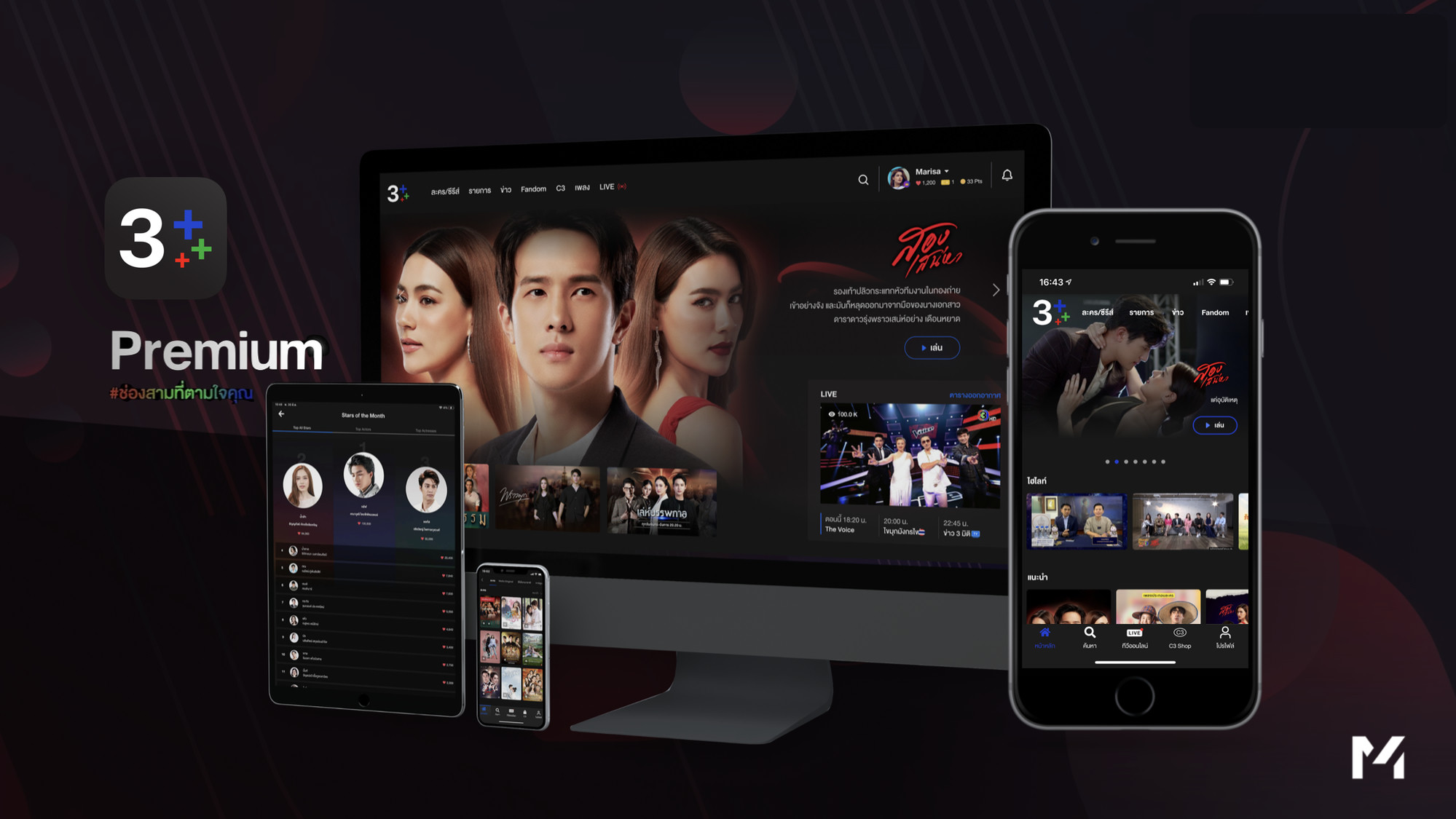
TechCut — Lesson Learned · CH3+ OTT Platform Project
When Muze first started working with CH3+, the brief seemed clear:
Build an OTT Platform that lets TV viewers move online — seamlessly.
But once we were in it, we discovered that building a national-scale OTT Platform isn’t just hard because “video needs to play.”
The real difficulty is making the entire platform work on the days when a large number of users arrive simultaneously — from opening the app, logging in, tapping into a campaign, making a payment, joining a fandom activity, all the way through to watching content across multiple devices.
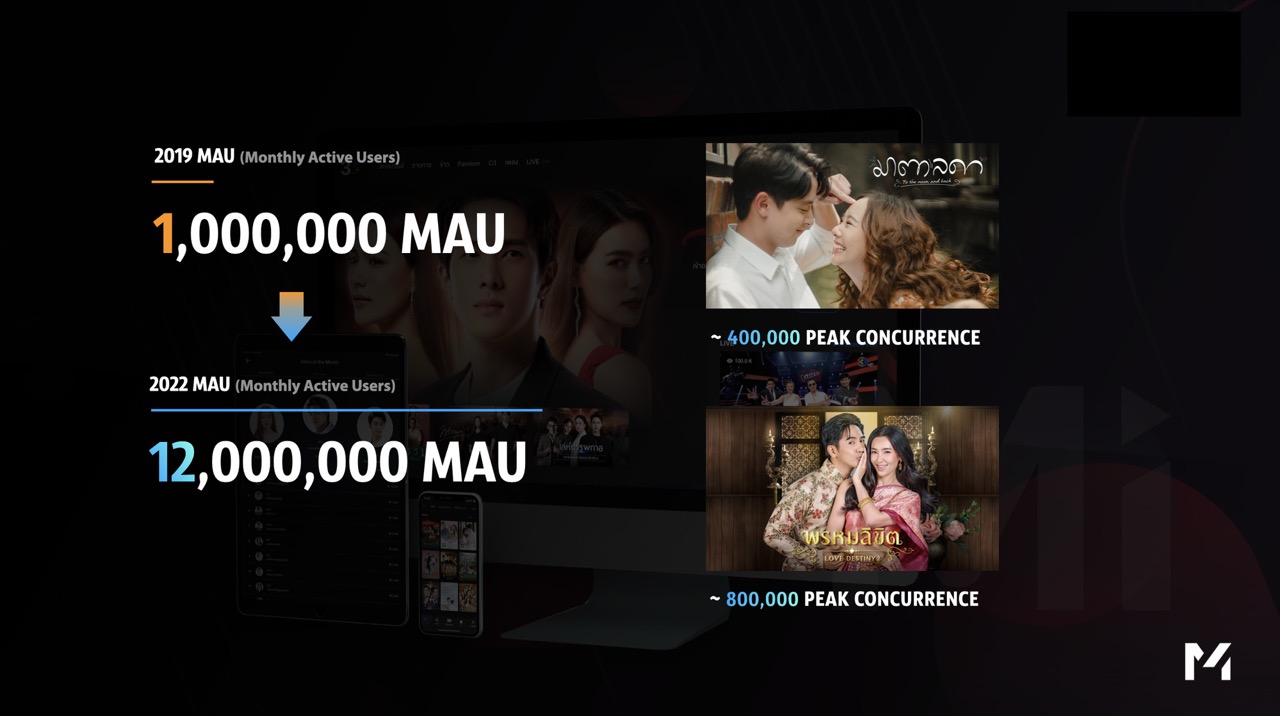
CH3+ grew from approximately 1 million users to over 12 million Monthly Active Users, handling peak concurrent viewership of approximately 800,000 viewers at once.
If we could go back, here are the 4 lessons we’d tell ourselves from day one.
(Read the rest of this series: Technical Architecture · Product Strategy)
Lesson 1: Design for Peak Traffic on Day 1 — Don’t Wait for the Crash
On most digital products, teams start by designing for average load:
Normal day traffic looks like this · requests per second around that level · servers should handle it · we’ll scale if we need to later
This thinking might work for some systems. But for an OTT Platform — or any high-traffic platform with event-driven behaviour — it’s a significant risk.
Because peak traffic doesn’t build gradually. It arrives all at once.
A crucial drama episode airs. A live event starts. A campaign opens. An artist or show generates a surge. Or a large number of users arrive during prime time.
In those moments, the system isn’t just tested on video playback. It’s tested across the entire user journey:
- Users open the app, load the home screen, log in, tap into campaigns, join activities, subscribe, make payments — simultaneously — before they ever reach video.
- If the streaming infrastructure is ready but login is slow → users can’t get in
- If the player is ready but the campaign crashes → users feel the platform is unstable
- If the payment flow breaks → revenue opportunity is gone immediately
- If the front-end over-requests the API → the backend takes unnecessary load
This is why Muze invested heavily in front-end architecture, BFF, user-facing flows, and the surrounding systems — all designed to hold up under peak usage from day one.
The right question isn’t “does the system work on a normal day?” It’s:
On the most important day for the business, does the entire path stay smooth?
If we were doing it again, we’d make peak scenarios a core part of the design process from the start — not just a test scenario before launch.
Because peak isn’t an edge case. For an OTT Platform, peak is exactly when the business needs the system most.
Lesson 2: Multi-Platform Isn’t Just Multiple Versions — It’s Multiple User Behaviours
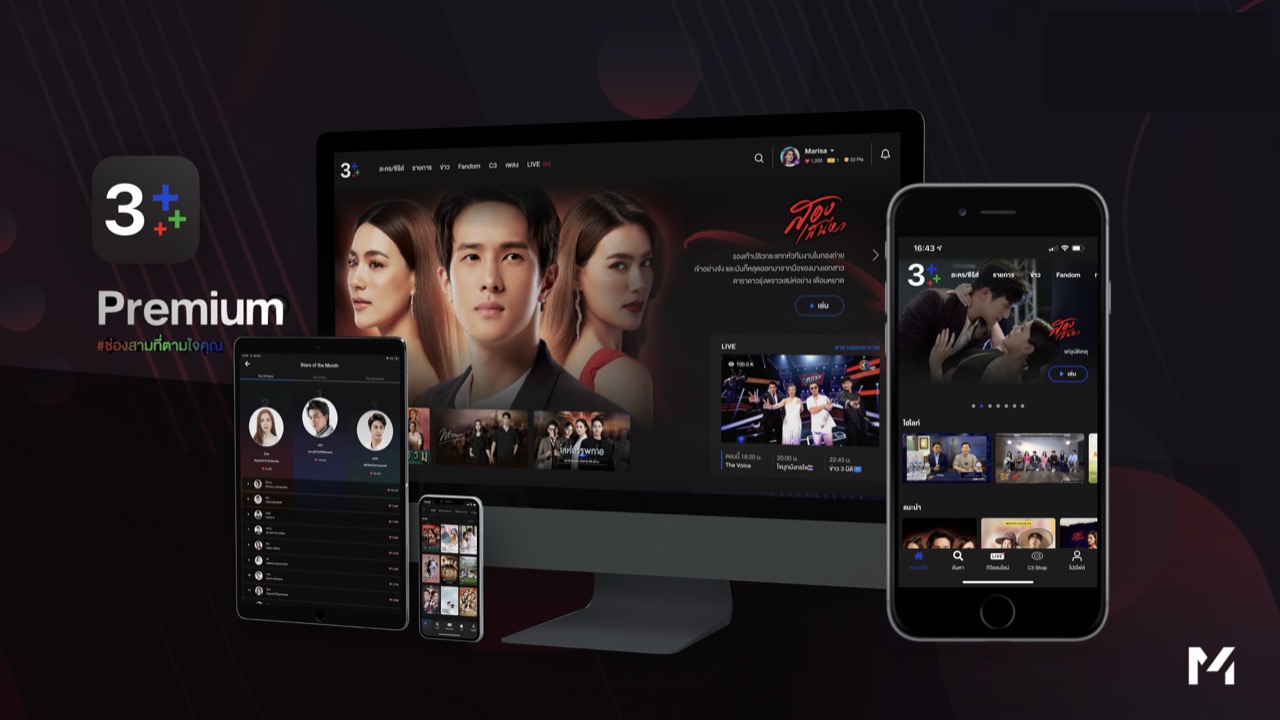
CH3+ had to support iOS, Android, Web, Apple TV, Android TV, Samsung TV, and Android Box.
On the surface, that might look like developing the same application in several versions. In reality, each platform isn’t just different technology — it’s a different usage context.
- Mobile — watching alone, touch screen, on the move, switching networks, expecting fast app launch
- Web — diverse browser environments, different responsiveness expectations to mobile
- Smart TV — sitting far from the screen, remote control as the primary input, no scrolling or tapping — requires a 10-foot experience mindset
- Android Box — high hardware fragmentation, inconsistent performance, some devices have far more limited resources than the dev team expects
On top of that, player behaviour, DRM, playback policy, and ecosystem constraints all differ — Apple has its own standards, Android has high variety, each Smart TV brand has specific limitations.
Users don’t care whether the problem is device, OS, browser, DRM, network, or application layer. If they can’t watch, they can’t watch.
The lesson: multi-platform strategy must start from understanding each platform’s behaviour and constraints first — not from asking “how many months to port to another device?”
Estimating multi-platform work requires thinking through:
- Which platforms have unique UX patterns?
- Which have certification or approval processes?
- Which have high hardware fragmentation?
- Which need particularly careful player optimisation?
- Which carry risks that should be tested early?
If we were doing it again, we’d put together a thorough platform assessment from the beginning — separating out technical constraints, UX patterns, performance risk, and timeline risk for each platform.
Because in a national-scale platform, a small assumption about a real device can become a major project delay.
Lesson 3: Good Features Aren’t Features That Are Complete — They’re Features That Bring Users Back
When building an OTT Platform, teams often feel pressure to ship a complete feature set — home, search, player, login, payment, campaign, profile, content catalog, notifications, versions for multiple devices.
But once the product is live, the important question shifts:
Not “is this feature in the system?” but — “does this feature bring users back?”
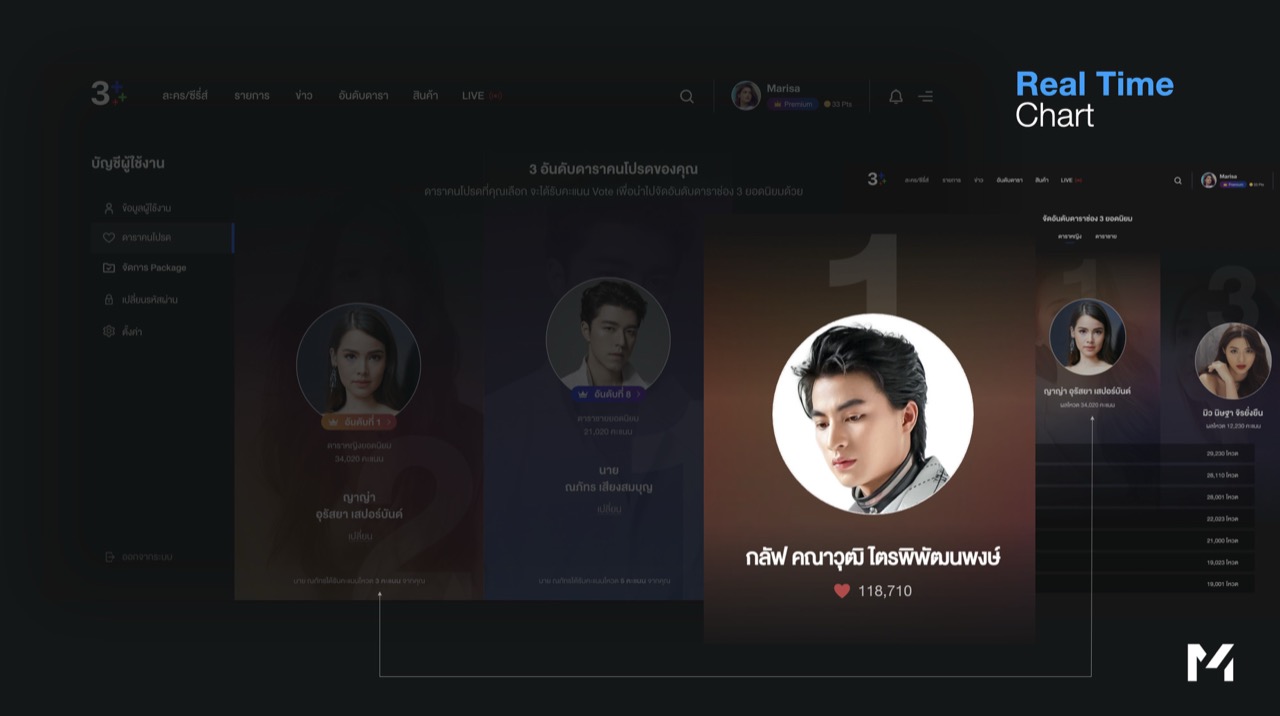
For CH3+, one of the key product directions was building a layer that connects viewers with artists, shows, and community — the Fandom layer.
As covered in the previous article, CH3 had a distinct asset: the relationship between content, artists, audiences, and fan communities. So features like campaigns, fandom activities, exclusive content, and event engagement weren’t just nice-to-haves — they were product mechanisms that gave users reasons to return even when no new episode had dropped.
The lesson: digital platforms shouldn’t be measured by how many features they have. They should be measured by the behaviours those features create.
- Are users returning more often?
- Are sessions getting longer?
- Do campaigns actually drive action?
- Does the fandom feature build community, or is it just another content page?
Without clear metrics per feature, the team has no reliable basis for deciding whether to invest further, adjust, or stop. Without a good feedback loop, a platform gradually fills with features that “exist” but don’t generate real outcomes.
If we were doing it again, we’d define success metrics for each major feature before building it — not just ship to scope, but be clear on: what user behaviour is this feature designed to change, and how will we know if it worked?
Lesson 4: Product Strategy and Architecture Need to Talk From the Start
Although this article set out with 3 lessons, there’s one more that matters too much to leave out.
Product strategy and system architecture can’t be separated.
If the business strategy is to build an OTT Platform with fandom, campaigns, exclusive content, payments, and multi-device support — the architecture has to actually support those things. Not just have the features on the backlog.
- If campaigns are a core engagement mechanism → the campaign system must handle peak traffic
- If payment is central to the monetisation flow → the payment path must be stable and friction-free
- If fandom is the product differentiator → the system must support interaction and community behaviour at scale
- If multi-platform is a primary requirement → BFF and front-end architecture must reduce per-client complexity
- If the user journey matters more than any single screen → the system must be designed so the entire flow doesn’t break
This is what separates the role of a Tech Partner from a typical implementation team.
Building a platform isn’t just taking requirements and writing code. It’s translating business strategy into product experience and system design that holds up when real users arrive.
In Summary: What We Learned from CH3+
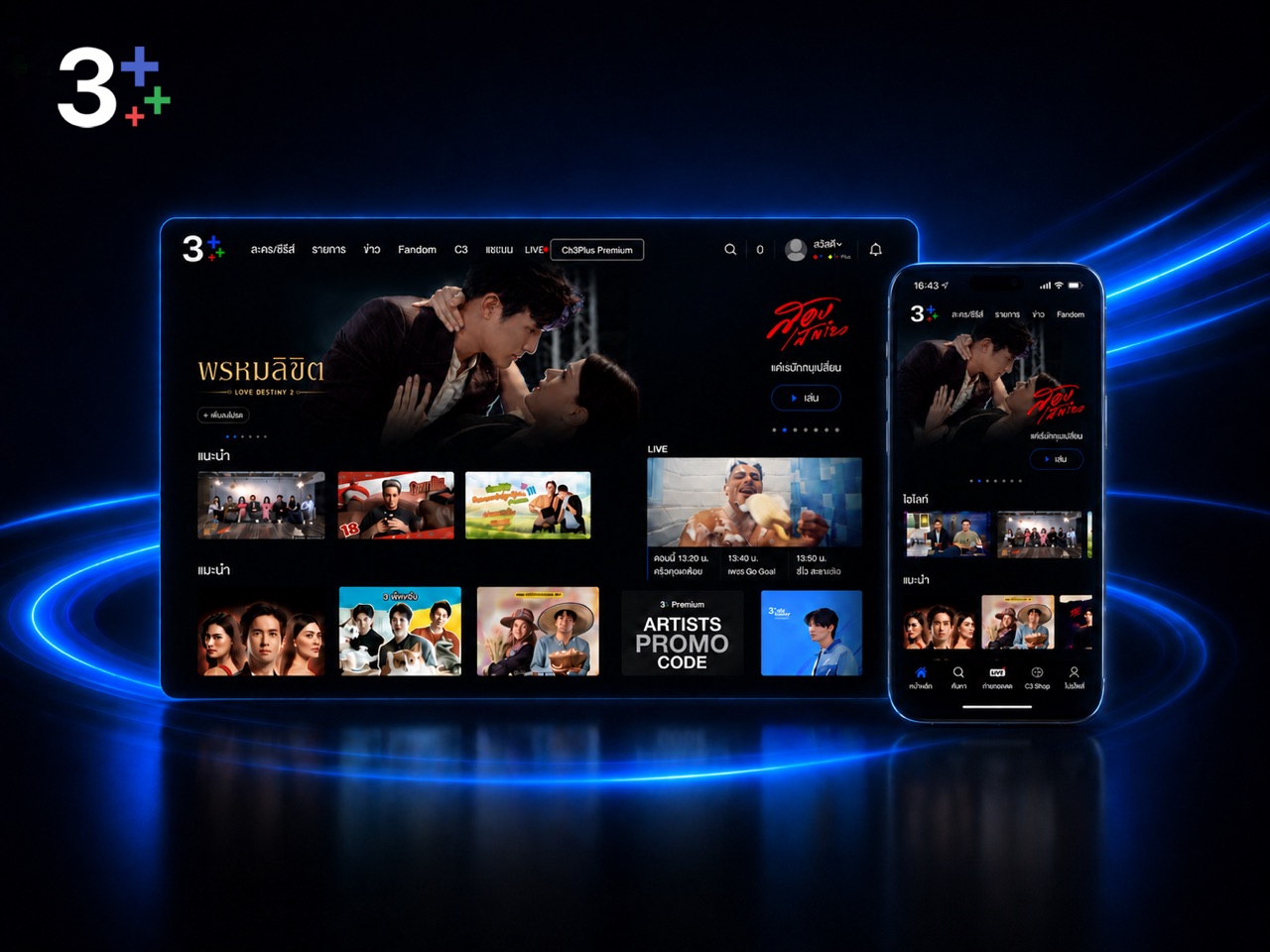
There’s no single formula for building a national-scale OTT Platform that works for every business. But from CH3+, there are lessons that apply across streaming, e-commerce, campaign platforms, super apps, and enterprise platforms with large user bases.
- Design for peak, not average — because peak is when the business needs the system most
- Understand each platform’s constraints before committing to a timeline — because multi-platform means multiple behaviours, multiple constraints, and multiple risks
- Measure features by the behaviour they create, not the count of features shipped — because a good feature brings users back and creates real business outcomes
- Product strategy must translate into architecture — because good strategy with a system that can’t support it won’t produce real results when traffic arrives
CH3+ grew from approximately 1 million users to over 12 million Monthly Active Users, handling peak concurrent viewership of approximately 800,000 viewers.
Those numbers didn’t come from technology alone. They didn’t come from content alone. They came from the combination of content strength, product direction, user experience, and a platform architecture built to support real growth.
For Organisations Building a Digital Platform
If you’re building a platform that needs to handle large user volumes, the important question isn’t just “which tech stack.” You need to be able to answer:
- Where does this platform need to scale?
- When will users arrive simultaneously?
- Which flows are business-critical?
- Which features bring users back?
- And what architecture will actually support that strategy?
Muze helps organisations design and build Digital Platforms that connect Business Strategy, Product Experience, and Scalable Technology — to build systems that don’t just work, but grow.